In Review:
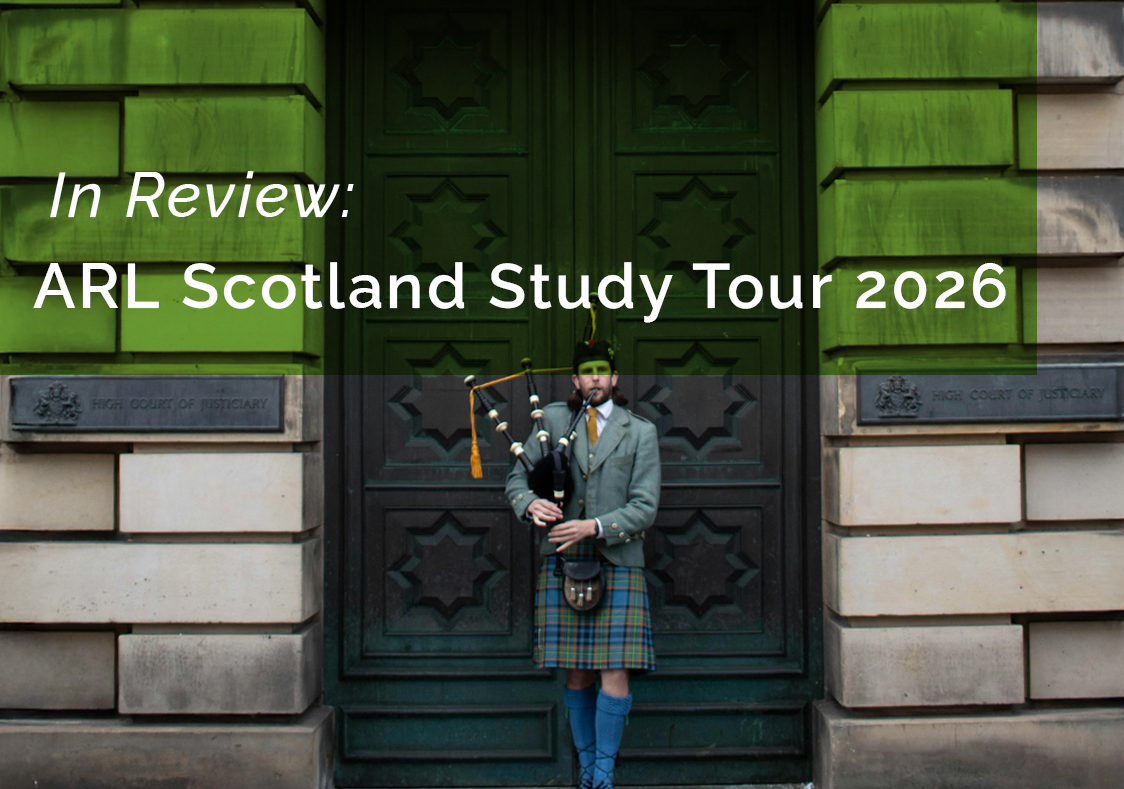
ARL Scotland Study Tour 2026
ARL Scotland Study Tour 2026
Day 1: 4 February 2026
By Chloe Sachikonye, Senior Account Executive at Yardi and Chair of the ARL North West Hub
On an unsurprisingly rainy day in Edinburgh, with the wind whipping down Haymarket Terrace and rain bouncing theatrically off a mash-up of Georgian sandstone and sharp-edged new build, I made my way to Shoosmiths’ newest offices. Inside, the mood was less drizzle, more drive.
Under one roof sat the modern British real estate ecosystem in a microcosm of investors, operators, advisers and suppliers. Amidst the caffeine-fuelled and legislation-literate conversation, the occasion? The ARL Scotland Study Tour 2026, returning to Edinburgh and Glasgow with a sharpened focus on investment in Build to Rent (BTR). Sponsored by Yardi, Torsion and Shoosmiths, the two-day tour combined operational site visits with something far rarer – direct dialogue with policymakers shaping the market.
This was my second ARL Scotland Study Tour, and while I won’t disclose quite how many ARL Study Tours I’ve attended over the years (let’s just say I’m comfortably into double digits), the format remains unmatched. Equal parts field trip and forensic analysis, the backdrop to this year’s tour was legislative certainty. With the Housing (Scotland) Act passing into law on November 2025, BTR has been formally exempted from rent control provisions.
For investors, that clarity is oxygen. Ian Murray and Ed Howe from Bidwells gave us a very telling market snapshot: 5,048 operational BTR homes across 21 schemes, 2,139 units under construction, 8,964 consented units and 553 units submitted for planning. Glasgow accounts for 46% of operational stock (2,340 units), Edinburgh 40% (1,999 units). The remaining schemes sit in Aberdeen and Perth.
Planning submissions dipped post-2022 legislation – 925 units in 2024 and 1,097 in 2025, down from the 2023 peak of 2,626 but therein lies the opportunity. Supply has tightened; demand has not.
Emma James of Rightmove shared interest in key locations across Scotland with averages of 4.7/5 regarding satisfaction and Edinburgh and Glasgow leading the way amongst BTR communities. It’s safe to say Scotland is no longer the “wait and see” story, it’s the “move now” market.
The tour followed on with our first site, Dockside in Leith, owned by Goodstone Living and managed by Native Communities, this site stands as a case study in regeneration done with operational intent. 373 residential units, two commercial units, three blocks ranging from 3 to 9 storeys and studio and one-bed apartments (90% furnished by Loft).
The architecture is a nod to Leith’s shipping heritage: angular façades and a colour palette deliberately maritime and modern. The site itself was formerly wasteland, a reminder that BTR often succeeds where others hesitate. Like many in the region, management operates on Scotland’s 28-day notice periodic tenancy framework a structural shift since 2017. The “end date expectation” that underpins English AST culture simply does not exist here.
That fluidity demands operational precision; occupancy must be earned continuously something that the English market will soon experience as the Renters’ Rights Act is implemented this year. Dockside has even housed a Netflix production (Department Q filming), certainly front row entertainment for residents, and a reminder that flexibility can generate ancillary revenue as well as brand visibility.
Next was the McEwan, a testament to community-led living. On arrival to this Moda Living site, one resident had a full board meeting in session in their flexible workspaces and yet it felt entirely normal – because it is. 476 units (phased delivery 2022–2026), studios, 1, 2 and 3 beds, plus townhouses and duplexes. A few student residents, otherwise, evenly split demographically with 24/7 amenities, Wi-Fi included, pets welcome, EV charging in the car park.
The most popular unit type? One beds. The toughest to shift? Two beds – a pattern echoed elsewhere. In terms of flexibility, the business allocates a select number of units to short term lets. What is particularly interesting about this model is that there is no dedicated wing for short stay units. Instead, they are dispersed throughout the building, creating a true community-led mix of incoming, outgoing and existing residents.
Built on the site of a former brewery (locals still recall the smell of hops), The McEwan demonstrates adaptive reuse at scale. The interiors felt more akin to a centrally located Four Seasons, with rich, deep colours that reflected the vibrancy of the Scottish landscape. The space was elevated further by a distinctive fragrance, reminiscent of stepping into a luxury boutique. Operationally, this is where the modern luxury BTR model reveals its edge: visibility of data, automation of processes, occupancy management in real time. Maintaining performance in a 28-day notice environment requires granular insight. It is less about reacting to voids, more about predicting them.
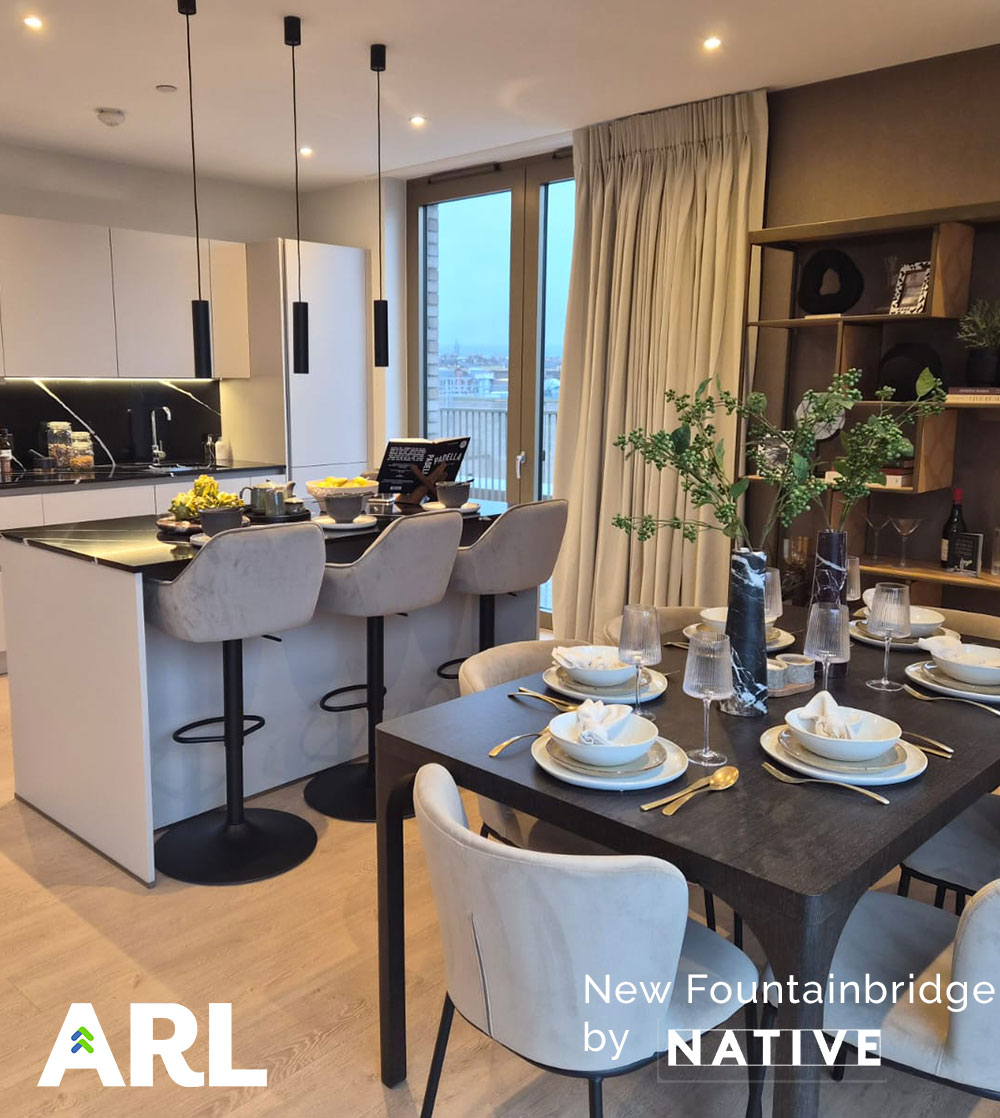
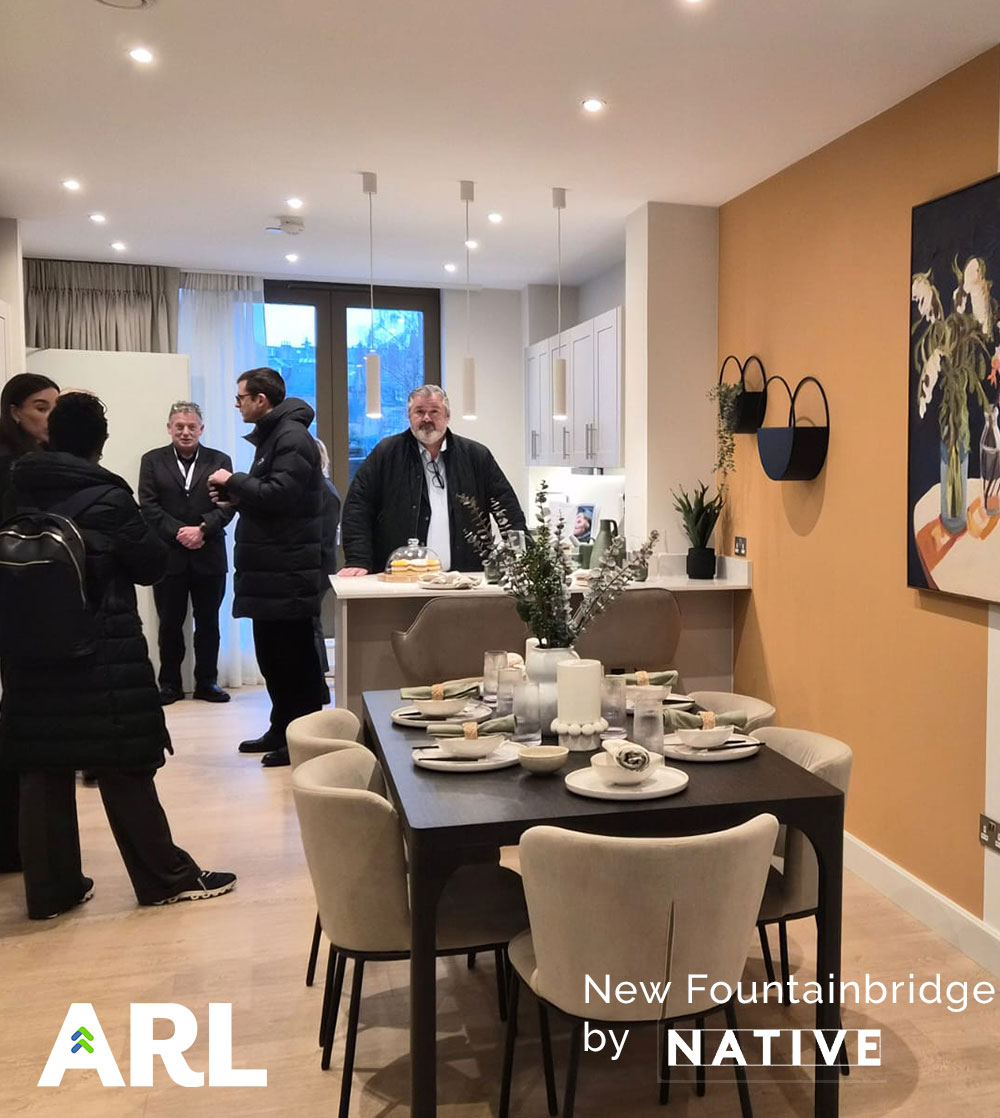
Finally, we visited New Fountainbridge, delivered by Vastint and managed by Native Communities. At first glance, the building presents modestly, yet its striking height carries a quiet confidence. The scheme comprises 123 units, ranging from studios and one beds to four-bedroom apartments and townhouses. Since its launch in October, 103 units have already been let, with one-bedroom apartments proving the most popular choice. While currently lighter on amenities, with a commercial gym and additional social spaces planned, the development appeals to a more considered and mature demographic.
Native’s “Local Heroes” strategy offers resident discounts with nearby businesses, strengthening community ties without over-programming communal areas. The townhouse style homes, positioned along the canal’s edge, evoke the calm of a riverside retreat, offering respite from the energy of Edinburgh city life. From duplexes to apartments, the design strikes a balance between modern comfort and understated elegance with an atmosphere defined by quiet sophistication.
If there was one clear takeaway from the tour, it was this: Scotland is fast becoming a proving ground for the UK’s operational BTR model under new legislative conditions creating a live testing environment where operational performance truly matters. In this evolving landscape, operational efficiency has moved from the back office to the front line, shaping asset performance and reinforcing investor confidence.
With an estimated 11,000 additional rental homes potentially set to enter the Scottish market, the scale of opportunity is clear. Our drive to Glasgow for the second leg of the day brought that pipeline into sharp focus, passing landmark developments such as New Avenue Living by Touchstone and Vista Park by Casa Moda. These schemes signal tangible momentum and a market intent on expanding supply.
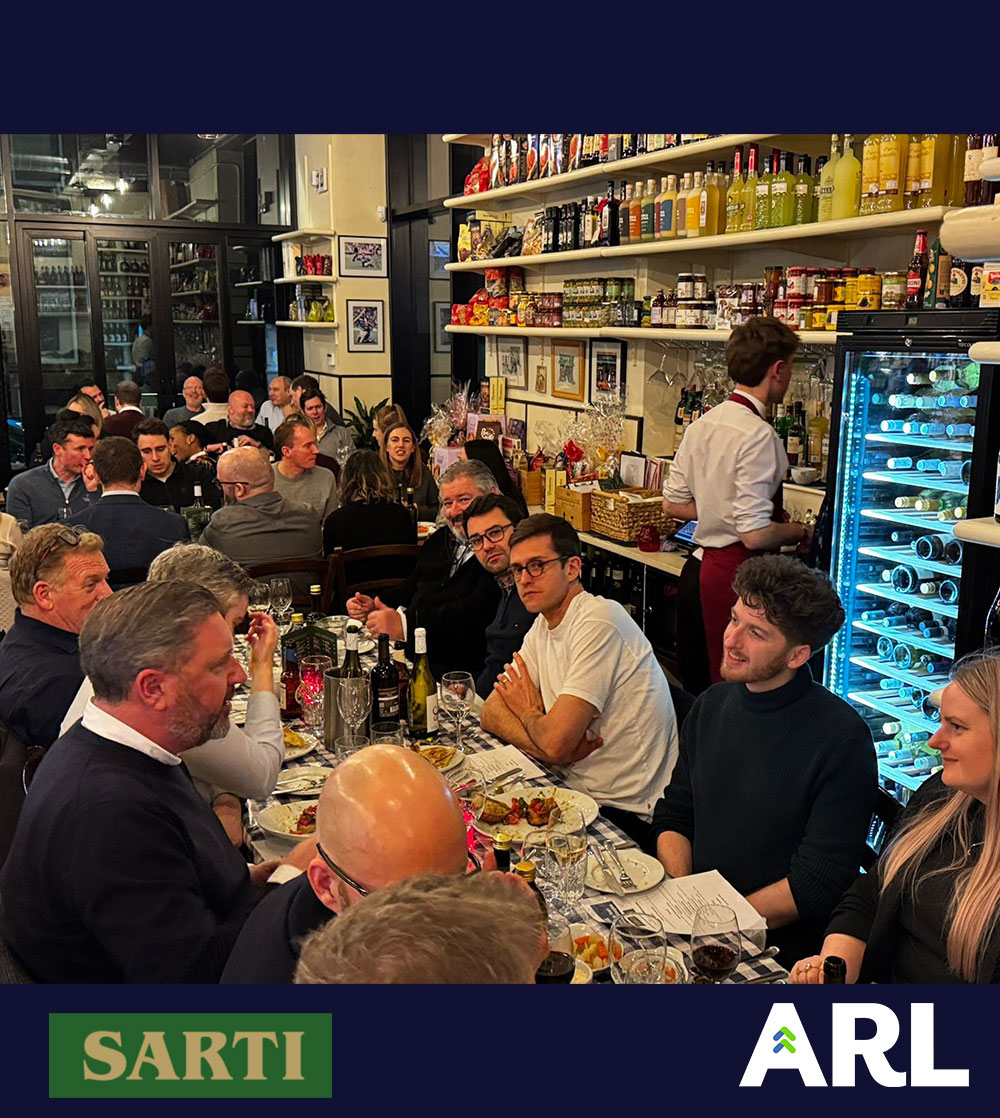
Yet unlocking homes is only part of the story. The true differentiator will not simply be access to capital, but the capability to operate at scale. The evening concluded with the industry dinner at Sarti in Glasgow, which we were proud to sponsor. It was a lively and engaged room, where formal policy discussions gave way to candid conversations about delivery, risk and opportunity. These moments of connection often surface the most honest insights, and the appetite to move forward was clear.
A sincere thank you to Leanne Newell and her team at Moda Living, and to Bex Hetherington and her team at Native Communities for their generosity and insight throughout the tour. As well as the ARL’s Emma Henderson and Brendan Geraghty. A special mention must also go to Iain Murray, Chair of the ARL Scotland Hub and a proud Scot who guided us with both sharp real estate perspective and a surprisingly authoritative lesson on what makes a truly great tartan, and to think this was just Day One of the tour!
Day Two: 5 February 2026
By Emma Henderson, Operations and Events Manager, ARL
If day one was about legislative clarity and operational proof points, day two in Glasgow was about scale.
The rain had followed us west, but so too had the momentum. Glasgow has long been considered Scotland’s BTR powerhouse and walking the city with operators, investors and advisers, it’s clear why. The fundamentals here are not theoretical, they visible in concrete, steel and lease-up velocity.
Morning discussions centred on pipeline and planning. Glasgow accounts for 46% of Scotland’s operational BTR stock and that leadership position is no accident. The city’s planning posture combined with its development capacity and deep rental demand, has created conditions where schemes can move from consent to completion with relative confidence.
Yet confidence does not mean complacency. In a 28-day notice tenancy environment, operational resilience is not optional, it’s foundational. Investors around the table were less concerned with whether BTR works in Scotland (it demonstrably does) and more focused on how to optimise performance within this distinct legislative framework.
Day two brought a strong line-up of schemes that demonstrated the breadth of Glasgow’s living offer.
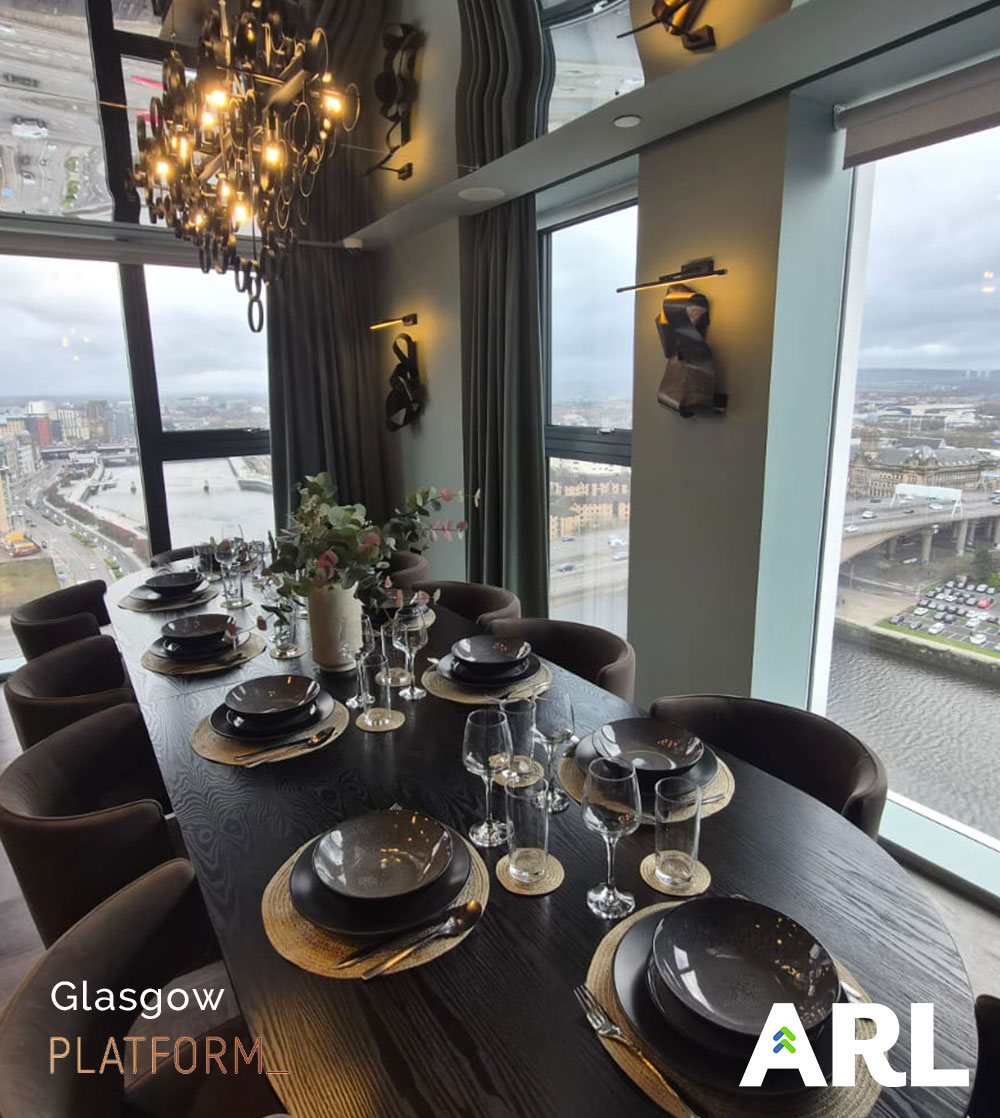
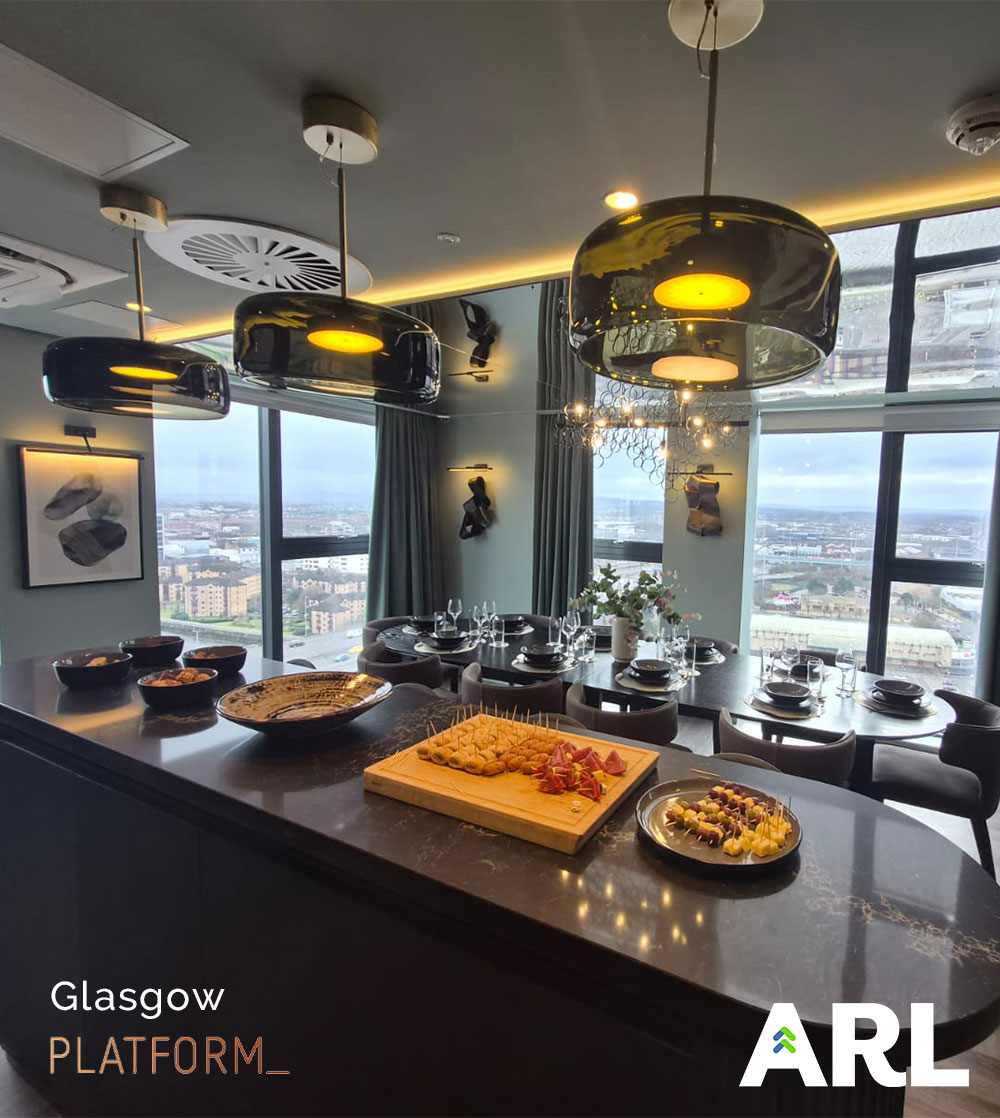
Platform_ in Glasgow: Our visit to Platform_ showcased a well-established, institutionally backed BTR model operating at meaningful scale within the city. The scheme demonstrated the importance of strong brand identity, consistent amenity delivery and operational systems capable of managing volume without losing resident experience. It reinforced a recurring theme of the tour: scale only works when underpinned by data discipline and community engagement.
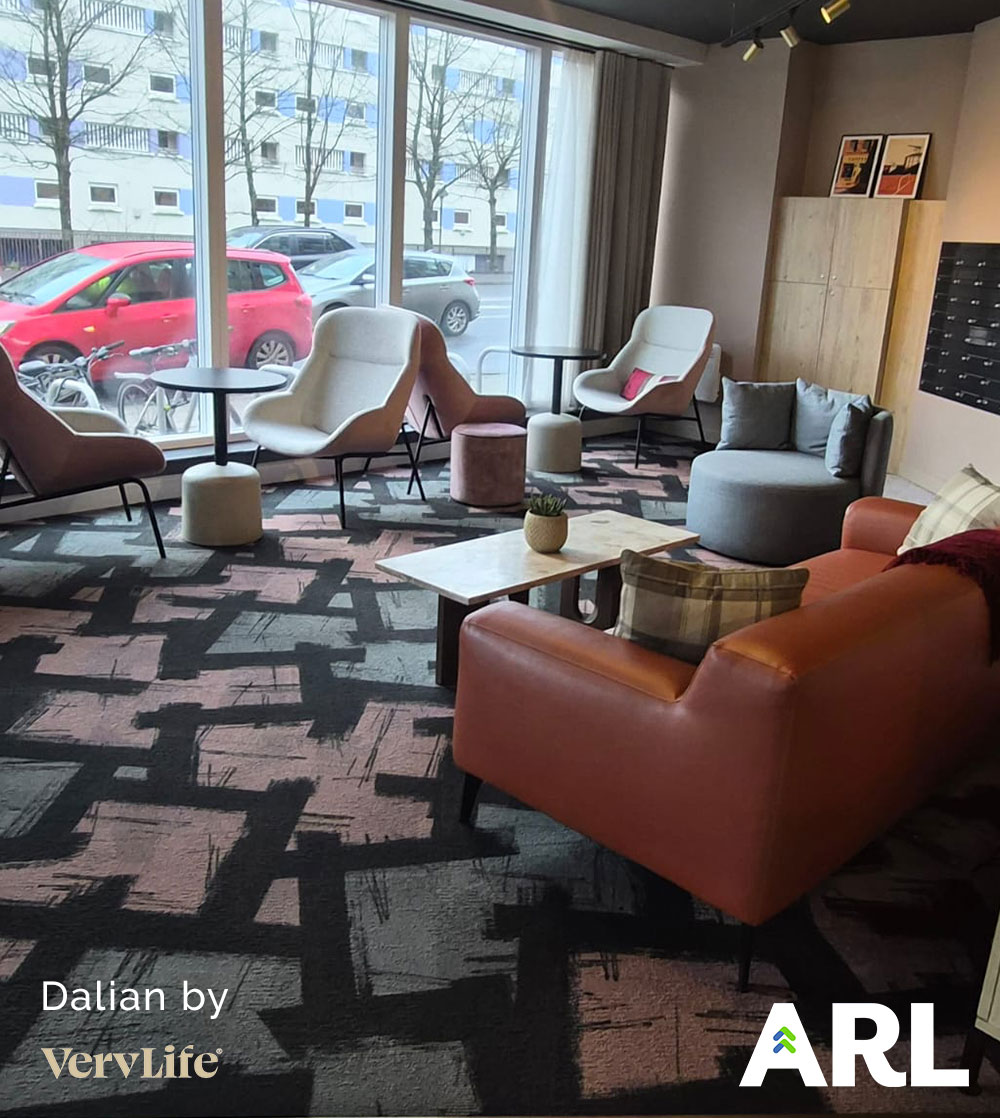
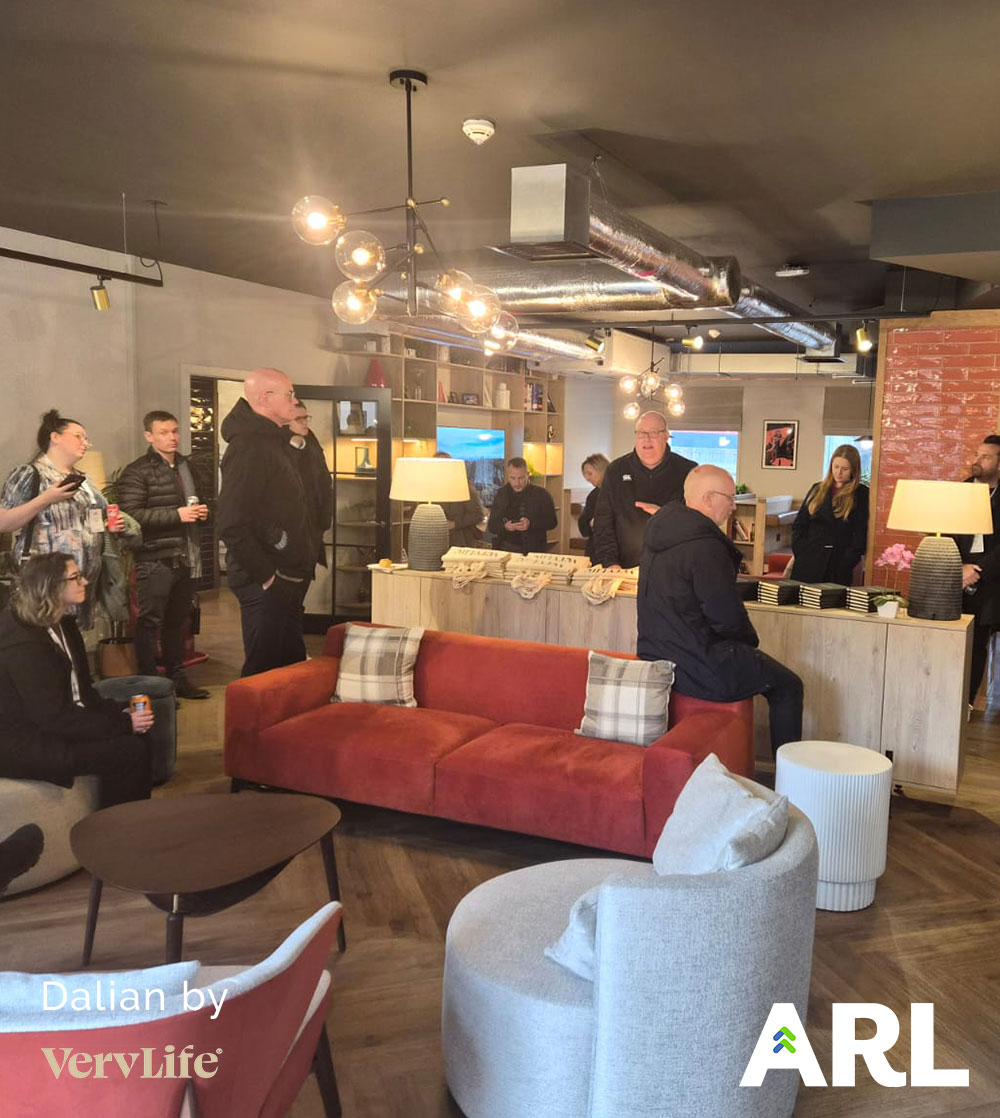
Dalian, VervLife: Here we saw a scheme that blends high-density city living with considered resident experience. Its position within Glasgow’s evolving skyline reflects the city’s confidence in vertical rental living, while operationally it demonstrated the increasing sophistication of leasing strategies in a competitive environment.
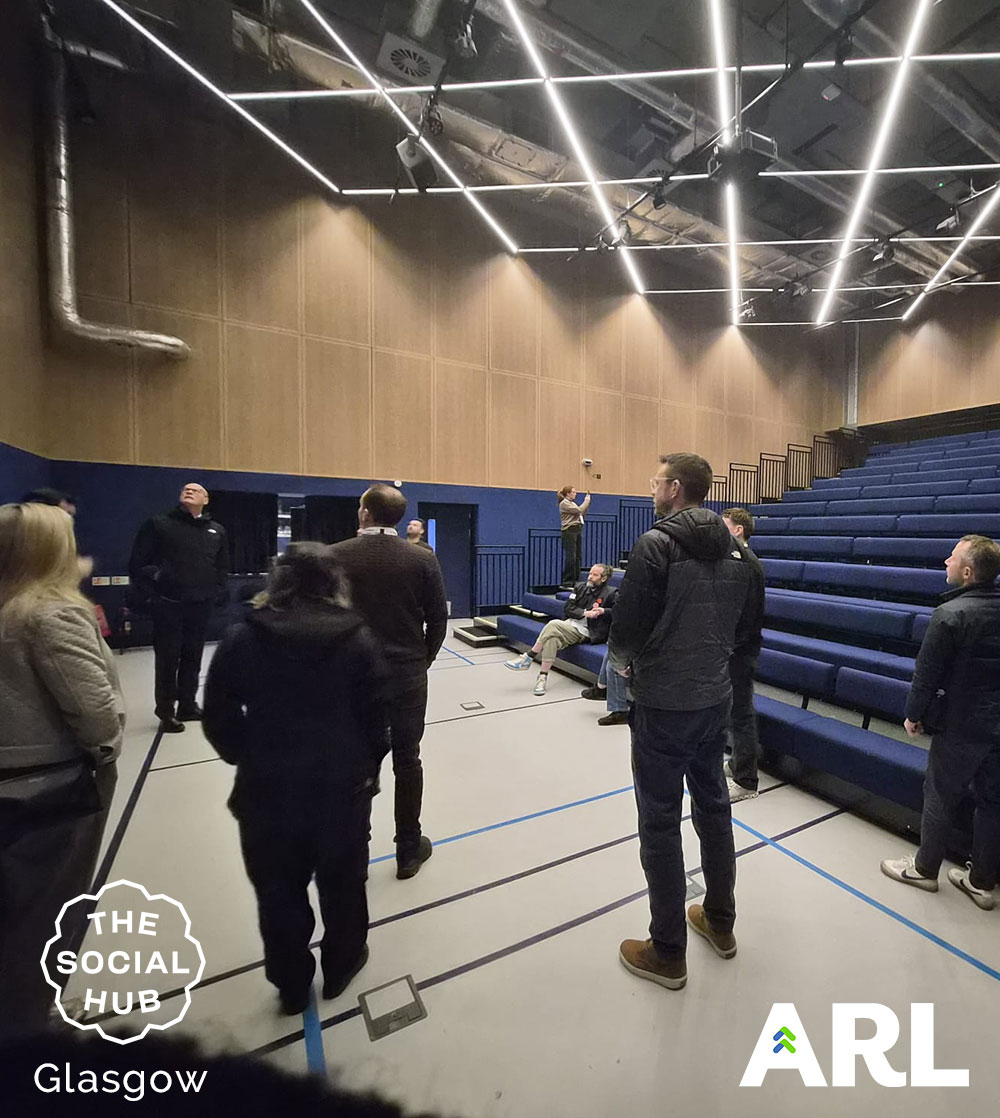
The Social Hub, Candleriggs: Our final stop, The Social Hub at Candleriggs, offered a slightly different lens – an integrated living model combining student accommodation, short stay and longer-term residents within one dynamic ecosystem. It served as a good reminder that the future of urban living may not lie neatly within one tenure definition, flexibility, activation and hospitality-led thinking are increasingly part of the mainstream rental conversation.
Across every scheme visited, one truth became clear: operational detail is now board-level strategy. Scotland’s tenancy structure removes the artificial cliff edge of fixed-term AST expiries, there is no predictable churn cycle. Instead, there is continuous movement that requires real-time data visibility, proactive renewal engagement with residents, and community programming that genuinely drives retention.
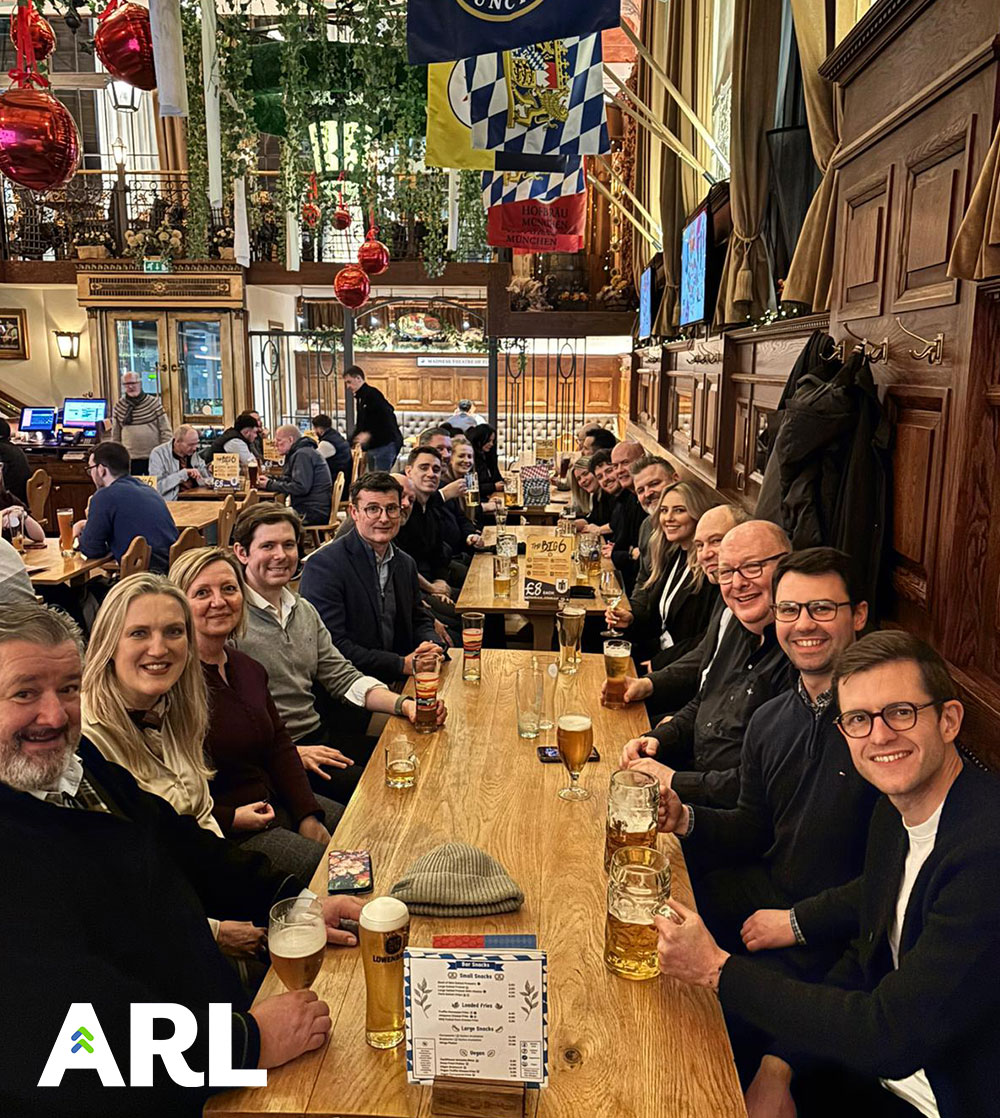
As the two-day tour programme concluded, we gathered for networking drinks with conversations moving fluidly between capital, planning, operations and delivery. Day one demonstrated that Scotland’s BTR market is stabilised, and day two showed that it is strengthening. Scotland is open for BTR business, and it’s even better than before. Don’t miss out.
Thank you
A sincere thank you to all our delegates whose engagement, insight and candour made the discussions so valuable across both days. Events like this are only as strong as the people in the room (or in this case, on the coach!), and the level of contribution throughout was exceptional.
Our particular thanks go to our sponsors, Yardi, Torsion Group and Shoosmiths, whose support and commitment to the sector made this tour possible.
We are also hugely grateful to our building hosts and operational teams who opened their doors so generously, and to our speakers and contributors whose expertise shaped the strategic and legislative context around what we experienced on site.
Two cities. Two days.
A huge collective effort.
Another successful ARL Study Tour.
Join us on the next ARL Study Tour…
Join us for our next ARL Study Tour to Cardiff and Bristol on 29th and 30th April 2026 as we explore for the first time two further cities shaping the future of rental living.
Details and registration can be found here.
We look forward to seeing you there.